How to Choose Toothpaste Without Unwanted Ingredients
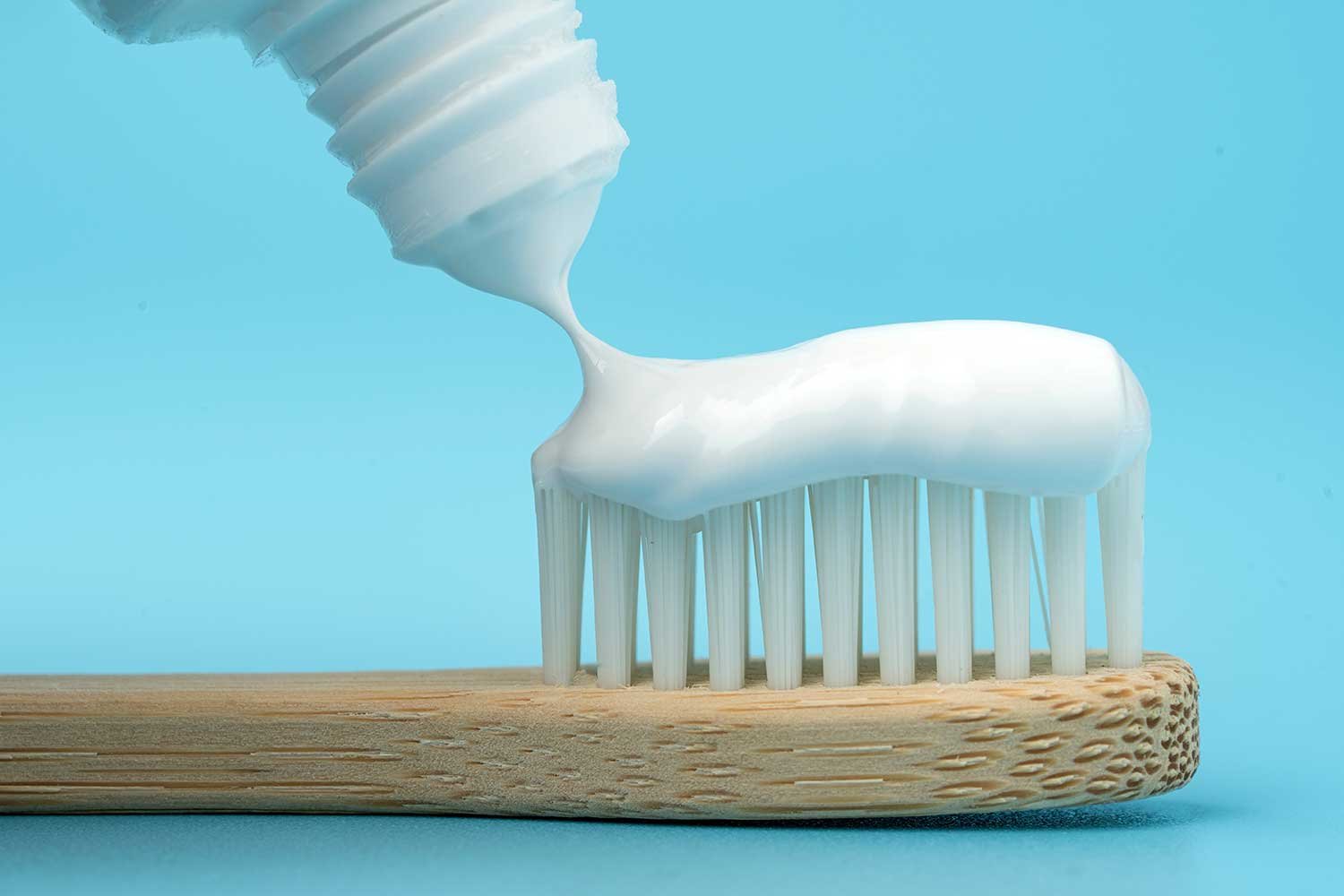
The best toothpaste is one that supports your oral health needs and that you will use consistently. Fluoride has the strongest and longest-established evidence for preventing cavities, while hydroxyapatite is a fluoride-free ingredient with growing clinical research; the right choice depends on cavity risk, sensitivity, age, swallowing habits, health history, and personal preferences.
A cleaner ingredient list should still do the job
Wanting fewer dyes, strong flavors, foaming agents, sweeteners, or other unwanted ingredients does not mean accepting less effective oral care. It does mean looking beyond front-label phrases such as “natural,” “clean,” or “chemical-free,” which do not tell you whether a product matches your dental needs.
A toothpaste has several jobs: helping a toothbrush remove plaque and food debris, delivering an ingredient that supports cavity prevention, and addressing concerns such as sensitivity, dry mouth, gum inflammation, or staining. No single formula is right for every person—or every child.
At Atlanta Dental Wellness, we respect questions about fluoride and product ingredients. We also believe those conversations should include your cavity history and current oral health, so a preference-based choice does not overlook a preventable problem.
Start with your cavity risk—not the marketing label
Before changing toothpaste, consider what your mouth needs most. Someone with no recent cavities, good saliva flow, and consistent home care may have different options than someone with frequent decay, exposed roots, braces, dry mouth, or a diet that creates repeated acid exposure.
Factors that can raise cavity risk include:
Recent or recurring cavities
Dry mouth caused by a health condition, medication, dehydration, or mouth breathing
Frequent sipping or snacking on foods and drinks containing sugar or fermentable carbohydrates
Gum recession or exposed root surfaces
Orthodontic appliances, dental restorations, or areas that are difficult to clean
A young child who is still learning to brush and spit
A dental examination can help identify early mineral loss before it becomes a cavity. It can also reveal whether sensitivity, bleeding, bad breath, or discoloration needs more than a change in toothpaste.
Fluoride and hydroxyapatite: what the evidence supports
Fluoride and hydroxyapatite are not interchangeable in every situation, but both are used to support enamel.
Fluoride
What it may offer: Extensive evidence for reducing tooth decay and helping remineralize early enamel damage.
What to keep in mind: The amount and directions matter, especially for young children who may swallow toothpaste.
Hydroxyapatite
What it may offer: A calcium-phosphate mineral used in some fluoride-free toothpastes; clinical studies suggest it can support remineralization and cavity prevention.
What to keep in mind: The research base is promising but smaller and less established than fluoride evidence. Formulas and concentrations vary.
Xylitol
What it may offer: A non-sugar sweetener used in some toothpastes, gums, and lozenges; it may contribute to a cavity-prevention plan.
What to keep in mind: It does not replace brushing, interdental cleaning, or an appropriate anticavity ingredient. Larger amounts can cause digestive discomfort and xylitol is dangerous to dogs.
What the original hydroxyapatite study actually found
The 2021 study cited in the earlier version of this article did not find that hydroxyapatite toothpaste “performed better” than fluoride toothpaste. It was a non-inferiority trial: among children ages 3–7 who followed a tightly supervised routine, a 10% microcrystalline hydroxyapatite toothpaste was not inferior to the study’s 500-parts-per-million fluoride toothpaste within the trial’s predefined margin.
That result supports hydroxyapatite as an option worth discussing. It does not prove that every hydroxyapatite product works the same way, that it is superior to fluoride, or that a fluoride-free toothpaste is the best choice for every child or adult.
Read the full ingredient list
The active or featured ingredient is only part of the formula. Flavor, texture, foaming, preservatives, and abrasiveness can affect comfort and whether a product works well for you.
Depending on your needs and preferences, you may want to review:
Flavoring and fragrance: Strong mint, cinnamon, or essential-oil flavors can irritate some mouths or make brushing difficult for people with scent sensitivity.
Foaming agents: Sodium lauryl sulfate, often called SLS, helps toothpaste foam. Some people prefer an SLS-free product because standard formulas aggravate oral irritation or recurrent canker sores for them.
Dyes and sweeteners: These may not affect brushing performance, but some patients prefer to avoid them. “Sugar-free” does not mean the formula is free of sweet-tasting ingredients.
Abrasiveness and whitening claims: Highly abrasive products may increase discomfort or wear exposed dentin. Surface-stain removal is different from changing the natural color of a tooth.
Allergens and sensitivities: Plant-based, natural, or essential-oil ingredients can still cause irritation or an allergic response.
If a product causes burning, peeling tissue, swelling, rash, or persistent discomfort, stop using it and contact your dentist or medical clinician as appropriate.
Toothpaste is only one part of effective home care
A thoughtful formula cannot compensate for rushed brushing or areas that are never cleaned. Daily plaque control and eating patterns have a large effect on cavity and gum health.
A practical routine includes:
Brush twice a day with a soft-bristled toothbrush and use gentle pressure.
Clean between the teeth with floss, an interdental brush, or another tool suited to your spacing and dexterity.
Help young children brush and use only the amount of toothpaste recommended for their age and ability to spit.
Limit frequent sugar and acid exposure rather than focusing only on the total amount consumed.
Keep regular dental visits based on your needs so early changes can be found and addressed conservatively.
How we approach product choices at Atlanta Dental Wellness
We do not assume that every patient wants the same formula. We listen to concerns about fluoride, flavors, foaming agents, swallowing, sensitivity, and ingredient exposure, then consider them alongside the patient’s examination and cavity risk.
That may mean discussing a fluoride toothpaste, a hydroxyapatite-based option, or another targeted product. The goal is not to pressure you toward one label. It is to help you choose daily care with a clear understanding of the benefits, limits, and tradeoffs.
Frequently Asked Questions
Is hydroxyapatite toothpaste better than fluoride toothpaste?
Current evidence does not show that hydroxyapatite is universally better than fluoride. Some trials have found certain hydroxyapatite formulas comparable to fluoride formulas under specific study conditions, while fluoride still has the larger and longer-established evidence base for cavity prevention. Your cavity history, age, saliva flow, sensitivity, and the actual product formulation should guide the choice.
Does hydroxyapatite toothpaste prevent cavities?
Hydroxyapatite toothpaste may help remineralize enamel and reduce cavity development, and clinical research continues to grow. Results from a specific tested formula should not be assumed to apply to every product on the shelf. People at higher risk for decay should discuss a fluoride-free switch with their dentist and have their results monitored.
What toothpaste ingredients should I avoid?
There is no universal list of ingredients everyone must avoid. Focus on ingredients that cause irritation or conflict with your preferences, while making sure the formula still addresses cavity risk and other oral-health needs. People with sensitivities may look for milder flavoring, fewer dyes, or an SLS-free formula. A dentist can help distinguish a true reaction from discomfort caused by another oral condition.
Is fluoride-free toothpaste safe for children?
A fluoride-free toothpaste may be an option for some children, but “fluoride-free” alone does not establish whether a product is effective or appropriate. Age, cavity risk, brushing supervision, swallowing, diet, and professional guidance all matter. Parents should follow age-appropriate directions and ask the child’s dentist about the amount and type of toothpaste to use.
Choose oral care with evidence and your preferences in view
If you are unsure whether your current toothpaste fits your needs—or you want to explore a fluoride-free option—bring the product or ingredient list to your next visit. Atlanta Dental Wellness can help you weigh cavity risk, sensitivity, ingredient preferences, and home-care habits without dismissing your concerns.
Schedule an appointment with Atlanta Dental Wellness in Atlanta, Georgia, for individualized oral-care guidance and a careful assessment of your current needs.
Clinical references
· American Dental Association: Toothpastes
· American Dental Association: Topical and Systemic Fluoride
· 2021 randomized clinical trial of microcrystalline hydroxyapatite toothpaste in children
· 2024 review of clinical evidence for hydroxyapatite and caries prevention