

Dental Symptoms: What Your Mouth May Be Telling You
Something Doesn't Feel Right
A symptom is your mouth's way of asking for attention. This guide explains what common dental symptoms can mean, how urgent they are, and what a visit to Atlanta Dental Wellness involves. It is a starting point, not a diagnosis: only an examination can tell you what is actually happening.
Not sure whether it can wait? Call us at 404-233-1102. We welcome calls from new and existing patients and will help you decide on the right next step.

Is It Urgent?
Most dental symptoms are not emergencies, but some should not wait. Use this table to decide how quickly to act.
| How fast | Signs | What to do |
|---|---|---|
| Right now (medical) | Trouble breathing or swallowing; swelling spreading quickly in the face or neck; bleeding you cannot stop; a suspected broken jaw or serious head injury | Call 911 or go to the nearest emergency room |
| Today | Severe or worsening tooth pain; swelling of the gums, face, or jaw; fever with tooth pain; a knocked-out, broken, or suddenly loose tooth | Call 404-233-1102 and describe what happened |
| Within days | Pain when biting; a lost filling or crown; a chipped tooth that is not painful; gum pain that is getting worse | Call to schedule the earliest appropriate visit |
| At your next visit, or sooner if it worsens | Mild sensitivity; gums that bleed a little when brushing; bad breath; gradual changes in color or position | Request an appointment and mention the symptom |
Find Your Symptom
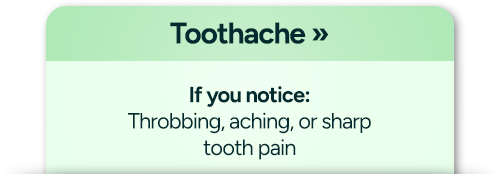
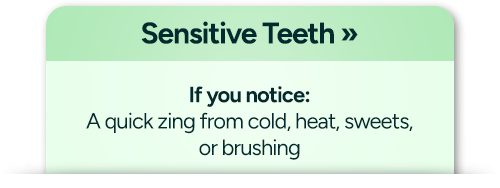
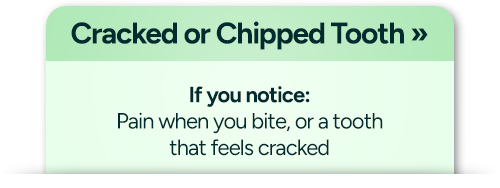
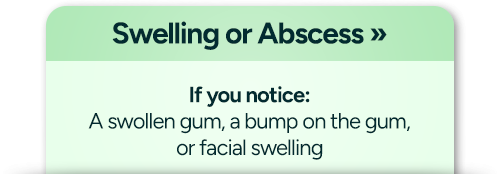
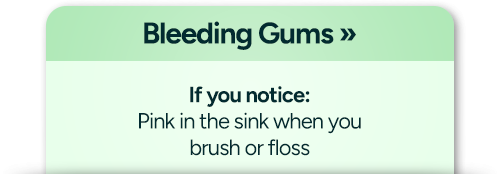
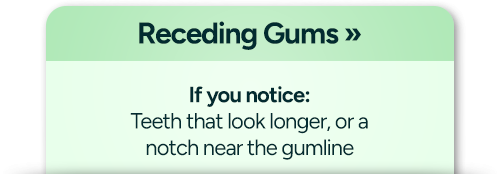
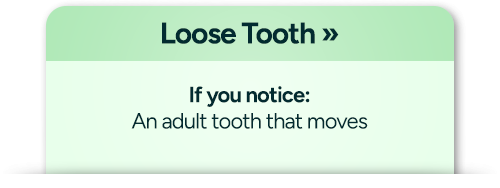
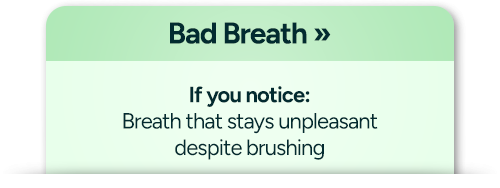
Choose the symptom closest to what you are experiencing. Each page explains possible causes, warning signs, and what to expect at your visit.

When Your Concern Is Bigger Than Your Mouth
Some patients come to us because they wonder whether their teeth, fillings, or dental materials are connected to how they feel overall. Those questions deserve a careful, honest answer.
• Mercury Filling Symptoms: what reactions to amalgam are documented, and which symptoms are harder to link to fillings.
• The Mouth-Body Connection: what research supports about gum health and conditions such as diabetes and heart disease.
• Complex Health Concerns: how we plan dental care when you are managing other health conditions.
• Are You Chemically Sensitive?: how we plan visits for patients with fragrance and chemical sensitivities.
We do not diagnose medical conditions from dental symptoms, and we do not promise that dental treatment will resolve symptoms elsewhere in the body. We listen, examine carefully, and coordinate with your physician when that helps.
Why a Symptom is Not a Diagnosis
The same symptom can have several very different causes. Tooth pain can come from a cavity, a crack, a gum problem, grinding, or even a sinus infection. That is why we examine before we recommend.
Guessing from a symptom can lead to the wrong treatment, or to more treatment than you need. A careful examination, and imaging only when it adds useful information, helps us find what is actually going on and choose the most conservative care that will work.

What Happens When You Call or Visit
Tell us what you are noticing. When it started, what makes it better or worse, and whether you have swelling, fever, or bleeding.
Health and sensitivity review. We ask about your health history, medications, allergies, and any chemical or material sensitivities.
Focused examination. The dentist examines the area and recommends imaging only when it will change the plan.
A clear explanation. You hear what we found, what is urgent, and what your options are, including the option to wait when that is reasonable.
Relief and a plan. When possible, we relieve discomfort at the first visit. Definitive care may be scheduled separately or referred.
The Atlanta Dental Wellness Approach
We listen first and explain before we treat.
We look for the least invasive care that will solve the problem.
We use BPA/Bis-GMA-free composite and discuss materials before we use them.
We are a fragrance-free practice and plan visits around chemical sensitivities.
Both of our dentists, Dr. Cale Jackson and Dr. Matthew Giordano, are SMART-certified and accredited by the International Academy of Oral Medicine and Toxicology (IAOMT).
We refer to trusted specialists when a case calls for it, and we tell you why.
Frequently Asked Questions
These answers address common questions patients ask about dental symptoms. Your examination may lead to different advice for you.
-
See a dentist if tooth pain lasts more than a day or two, keeps coming back, wakes you at night, or comes with swelling or fever.
Pain that fades quickly after cold or sweets can often wait for a scheduled visit, but it is still worth mentioning. Call us and we will help you decide how soon to come in.
-
A toothache is urgent when it is severe, getting worse, or paired with swelling, fever, or trouble opening your mouth.
Trouble breathing or swallowing, or swelling spreading into the face or neck, is a medical emergency. Call 911 or go to the nearest emergency room.
-
Yes. A tooth infection can cause fever, tiredness, and swollen glands, and in rare cases it can spread beyond the mouth.
That is why swelling with fever should be seen the same day. Dental infections do not heal on their own; they need treatment of the tooth or gum involved.
-
Bleeding when brushing is most often an early sign of gum inflammation from plaque along the gumline.
Early gum inflammation can usually be reversed with professional cleaning and better daily care. Bleeding can also relate to medications or other health factors, so we review your history too.
-
Sometimes. Pain from a back tooth, a cracked tooth, or clenching and grinding can be felt in the jaw, ear, or temple.
Headaches have many causes. We can check whether a dental source is likely and tell you honestly when your physician is the better next step.
-
Yes. We welcome calls from new and existing patients with urgent dental concerns.
Call 404-233-1102 before coming in. We will ask about your symptoms and find the earliest appropriate appointment.
Last reviewed: October 2026 by Cale Jackson, DMD, SMART-certified and IAOMT-accredited biological dentist, Atlanta Dental Wellness.

Let's Find Out What's Going On
If something in your mouth doesn't feel right, call Atlanta Dental Wellness at our Piedmont Center office in Atlanta. We'll listen, examine carefully, and explain your options before any treatment begins.