Is Biological Dentistry Legit? What the Evidence Shows

A Straight Answer
Biological dentistry is legitimate when it is practiced by licensed dentists who use sound diagnosis and treatment. Some of its core ideas, such as reducing mercury exposure during amalgam removal and choosing materials carefully, are grounded in research. Other ideas associated with the label are debated or unsupported, and a trustworthy biological dentist will tell you which is which.
[Button] Request an Appointment · [Button] Call 404-233-1102
Why People Ask
Patients often find biological dentistry after years of searching for answers, and then read online that it is "not real dentistry." Both reactions make sense. The term covers a wide range of practices, from careful, evidence-based care to claims that go beyond what research shows.
Where the Evidence Stands
We sort biological dentistry topics into three groups. This helps you see what is established, what is developing, and what is still unsettled.
| Evidence level | Examples | What it means for you |
|---|---|---|
| Well supported | Amalgam removal releases mercury vapor and particles; the FDA advises some higher-risk groups to avoid new amalgam; gum disease and diabetes affect each other | We act on these directly, with SMART removal and careful gum care |
| Emerging or mixed | Nano-hydroxyapatite for cavity prevention; zirconia vs. titanium implants over the long term; ozone as an add-on to treatment; fluoride effects at U.S. levels | We present these as options, with honest tradeoffs |
| Unsettled or not supported | The tooth-organ meridian chart as a diagnostic tool; claims that root canals cause systemic disease; dentistry as a cure for chronic illness | We discuss them openly but do not base diagnoses or promises on them |
Why Some Dentists Are Skeptical
Skepticism often comes from real concerns. Some offices market biological dentistry with claims of detoxification or cures that research does not support. Some recommend removing healthy fillings or teeth without a clear clinical reason. The FDA does not recommend removing sound amalgam fillings solely to prevent disease unless a health-care professional considers it medically necessary.
We share those concerns. A biological approach should add care and caution, not replace diagnosis.
How We Keep It Evidence-Based
• We recommend treatment based on examination and diagnostic findings, tooth by tooth.
• We do not promise that dental treatment will cure a medical condition.
• We explain the strength of the evidence behind each recommendation.
• We follow published protocols, such as the IAOMT SMART protocol, step by step.
• We coordinate with your physician when a health question goes beyond dentistry.
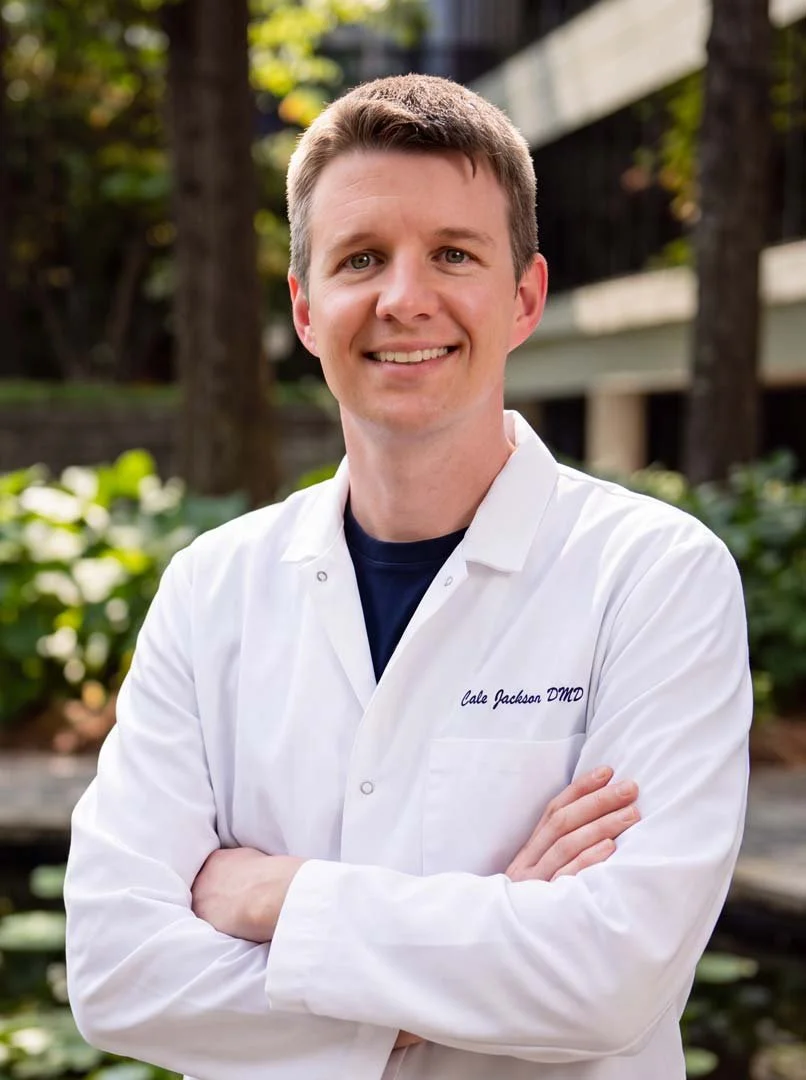
• Both of our dentists, Dr. Cale Jackson and Dr. Matthew Giordano, are SMART-certified and accredited by the International Academy of Oral Medicine and Toxicology (IAOMT).
Questions to Ask Any Biological Dentist
• What evidence supports this recommendation?
• What happens if I wait or choose a different option?
• Which of your recommendations are based on established research, and which are more experimental?
• What will you not claim to treat?
Frequently Asked Questions
These answers address common questions patients ask about whether biological dentistry is legitimate. Your examination and health history may lead to different advice for you.
-
Yes, when it is practiced by licensed dentists using evidence-based diagnosis and treatment. Some ideas under the label are well supported, and others are not.
Protective amalgam removal and careful material selection are grounded in research. Claims that dental work cures chronic disease are not.
-
It can be, if you have concerns about materials, mercury fillings, fluoride, or sensitivities and want a dentist who will take them seriously.
The value depends on the practice. Look for verifiable credentials, clear explanations, and no pressure to remove healthy teeth or fillings.
-
Parts of it are. Mercury-safe removal, biocompatible materials, and the link between gum disease and diabetes are supported by research.
Other topics, such as the tooth-organ meridian chart, are not supported as diagnostic tools. A good biological dentist will explain the difference.
-
Yes. Biological dentists are licensed dentists with DDS or DMD degrees who pass the same exams as any dentist.
Biological training, such as IAOMT SMART certification and accreditation, is completed in addition to dental school.
-
Many concerns come from exaggerated claims made by some practices, such as promises of detoxification or removing healthy fillings without a clear reason.
The core biological ideas of careful materials and mercury safety are less controversial than the marketing sometimes suggests.
-
Biological dentistry is not one of the dental specialties recognized in the United States. It is an approach to general dentistry practiced by licensed dentists.
Our dentists are also members of the American Dental Association and the Georgia Dental Association.
Your Questions Are Welcome Here
If you are unsure whether biological dentistry is right for you, schedule a conversation with Atlanta Dental Wellness in Atlanta. Bring your questions, including the skeptical ones.