Biological, Holistic, and Biomimetic Dentistry: How They Compare

Three Terms, Overlapping Ideas
Biological and holistic dentistry are often used interchangeably. Both describe dentistry that considers how oral care affects the whole body. Biomimetic dentistry is different: it is a restorative technique focused on preserving natural tooth structure. A dentist can practice one, two, or all three.
What Each Term Means
Biological Dentistry
Biological dentistry focuses on the biocompatibility of dental materials, reducing exposure to substances such as mercury, and understanding how oral health relates to overall health. It is closely associated with the International Academy of Oral Medicine and Toxicology (IAOMT) and its SMART protocol for amalgam removal.
Holistic Dentistry
Holistic dentistry describes a broader philosophy of treating the whole person, which may include nutrition, stress, sleep, and lifestyle. Some holistic practices also use complementary approaches. The term is broad, so what it means in practice varies widely from office to office.
Biomimetic Dentistry
Biomimetic dentistry is a set of restorative techniques that aim to mimic natural teeth, with a focus on bonding and conserving healthy tooth structure rather than cutting it away. It is about how a tooth is repaired, not about the whole-body philosophy.
Side-by-Side Comparison
| Comparison | Biological | Holistic | Biomimetic |
|---|---|---|---|
| Main focus | Materials, exposures, oral-systemic health | Whole-person wellness | Conserving natural tooth structure |
| Type | Clinical approach | Philosophy | Restorative technique |
| Common credentials | IAOMT SMART certification, accreditation | Holistic Dental Association membership | Biomimetic training programs |
| Typical services | SMART removal, biocompatibility testing, metal-free options | Varies widely by office | Bonded, conservative restorations |
| Recognized specialty? | No | No | No |
Why the Label Matters Less Than the Details
No one owns these terms, and none of them is a recognized dental specialty. Two offices using the same label can practice very differently. Instead of relying on the name, ask specific questions:
• Which IAOMT credentials do the dentists hold, and can I verify them?
• Do you follow every step of the SMART protocol?
• Which filling, crown, and implant materials do you offer?
• Is fluoride used by default or by choice?
• How do you decide when treatment is necessary?
• What do you not claim to treat?
Where Atlanta Dental Wellness Fits
We describe ourselves as biological dentists. Our dentists are also members of the Holistic Dental Association, and we share the whole-person values of holistic care. Our focus is clinical: careful diagnosis, biocompatible materials, protective protocols, and honest conversations about evidence.
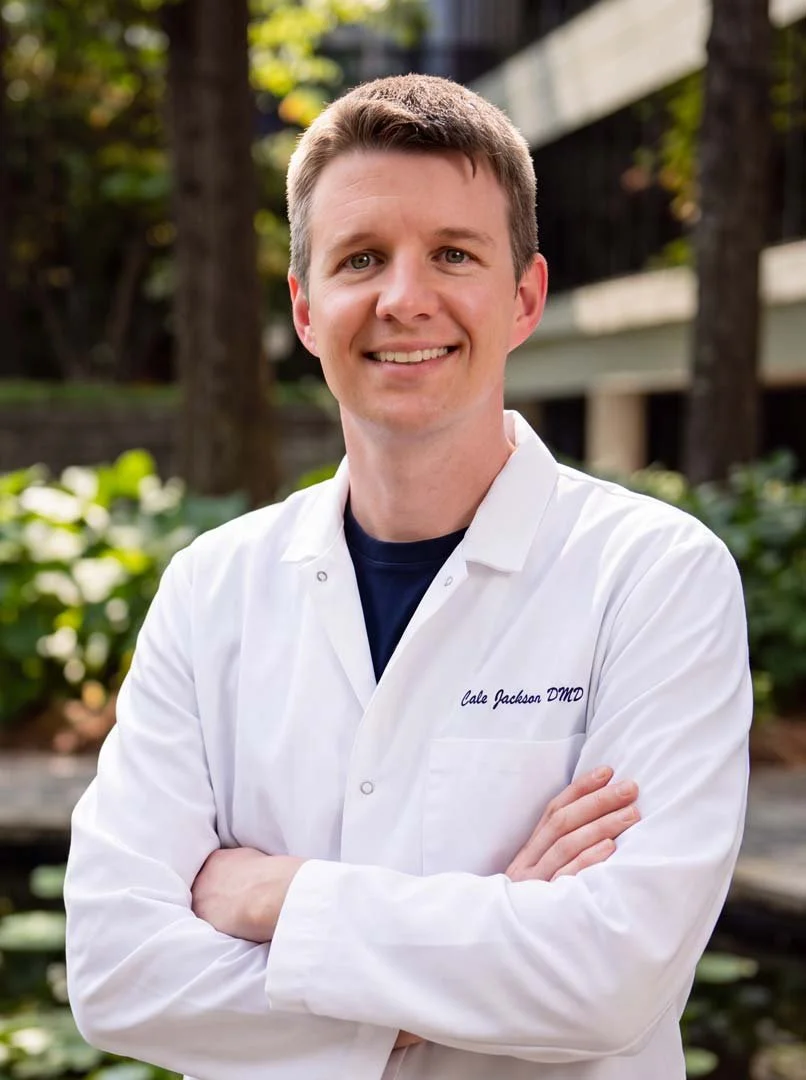
• Both of our dentists, Dr. Cale Jackson and Dr. Matthew Giordano, are SMART-certified and accredited by the International Academy of Oral Medicine and Toxicology (IAOMT).
• We offer a BPA/Bis-GMA-free composite and aim to preserve healthy tooth structure when the clinical situation allows.
• We are a fragrance-free practice, and we plan visits around chemical and fragrance sensitivities.
Frequently Asked Questions
These answers address common questions patients ask about biological, holistic, and biomimetic dentistry. Your examination and health history may lead to different advice for you.
-
The terms overlap and are often used interchangeably. Biological dentistry tends to focus on materials and exposures, while holistic dentistry describes a broader whole-person philosophy.
Because neither term is regulated, ask each office what it means in practice, including credentials and specific protocols.
-
Holistic dentistry is an approach that treats oral health as part of whole-person wellness, including nutrition, lifestyle, and overall health.
Practices vary widely. Some focus on materials and mercury safety, while others add complementary approaches.
-
Biomimetic dentistry is a restorative approach that uses bonding techniques to repair teeth while preserving as much natural tooth structure as possible.
It is about the technique used to repair a tooth, and it can be combined with a biological or holistic approach.
-
Many holistic and biological practices are run by licensed dentists who provide evidence-based care. Some claims made under these labels are well supported, and others are not.
Look for verifiable credentials, clear explanations, and a dentist who is honest about the limits of the evidence.
-
Yes. Holistic and biological dentists are licensed dentists who complete the same dental school training and licensing exams as any dentist.
Additional training, such as IAOMT programs, is completed after dental school.
-
Yes. Atlanta Dental Wellness is a biological dental practice in Buckhead whose dentists are SMART-certified, IAOMT-accredited, and members of the Holistic Dental Association.
We are located at Piedmont Center, 3525 Piedmont Rd NE. Call 404-233-1102 to schedule.
Start Where You Are
Whatever label brought you here, what matters is care that fits your health and values. Schedule a conversation with Atlanta Dental Wellness in Atlanta to talk through your questions.