Dental Amalgam and Mercury: What the FDA Guidance Means Today
The FDA advises several higher-risk groups to avoid new dental amalgam fillings when a suitable alternative is available. It does not advise everyone to remove intact amalgam fillings; each filling should be evaluated based on its condition, the tooth, the patient's health history, and the risks of removal.
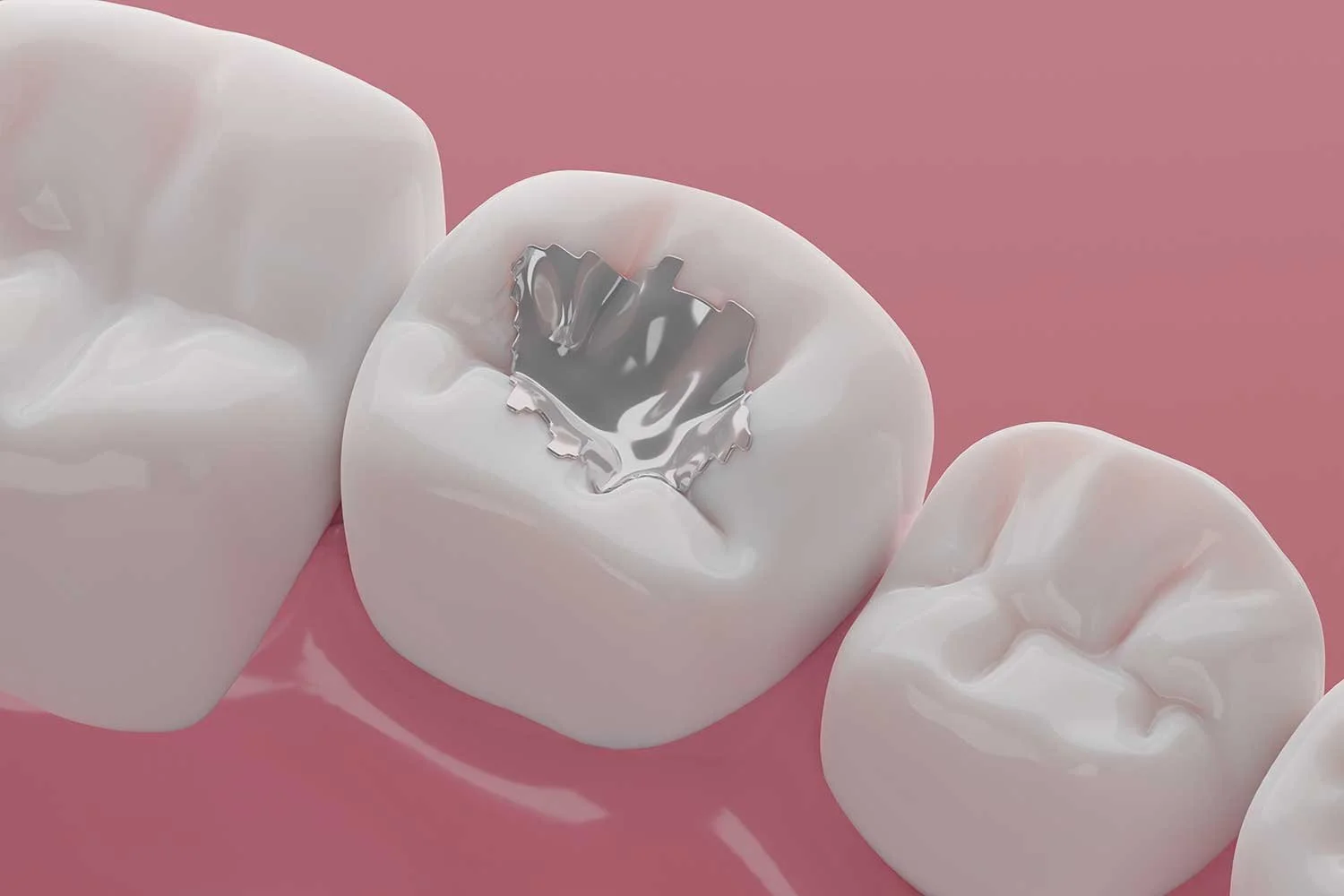
Dental amalgam has been used to restore teeth for generations. It is a durable filling material made from a powdered metal alloy mixed with liquid elemental mercury. Because amalgam releases small amounts of mercury vapor, questions about exposure are reasonable—especially for patients who are pregnant, have kidney or neurological conditions, have a known sensitivity to amalgam components, or are deciding whether an older filling should be replaced.
The FDA changed its public guidance in September 2020. More than five years later, that recommendation remains an important starting point, but it needs context. The guidance concerns both the choice of material for a new filling and the separate decision of whether an existing filling should be removed.
Who does the FDA advise to avoid new amalgam fillings?
The FDA recommends avoiding dental amalgam when possible and appropriate for people who may face greater risk from mercury exposure. The agency identifies:
· People who are pregnant or planning to become pregnant, and their developing fetuses
· People who are breastfeeding, and their newborns and infants
· Children, especially those younger than six
· People with a pre-existing neurological condition, including multiple sclerosis, Alzheimer's disease, or Parkinson's disease
· People with impaired kidney function
· People with a known heightened sensitivity or allergy to mercury or another component of dental amalgam
The FDA states that limited information is available about long-term outcomes in these groups. Its advice is precautionary: when a person in one of these groups needs a new restoration, the patient and dentist should discuss a non-amalgam material if it can meet the clinical needs of the tooth.
Does the guidance mean every amalgam filling should be removed?
No. The FDA does not recommend removing an amalgam filling that is in good condition unless a dentist or other health professional considers removal medically necessary.
Removing a sound filling requires the dentist to remove some surrounding tooth structure. The procedure can also produce a temporary increase in mercury vapor and particles. A decision made from fear alone can therefore create new exposure and weaken a tooth without a clear dental benefit.
A careful evaluation should consider:
· Whether the filling is cracked, leaking, worn, or surrounded by decay
· How much healthy tooth structure remains
· Whether the tooth has symptoms or structural damage
· The patient's pregnancy status, kidney function, neurological history, allergies, and other health concerns
· The size and location of the restoration and the bite forces it must withstand
· The risks, benefits, and material choices for the replacement
What has changed since the FDA's 2020 communication?
The FDA's core patient recommendation has not been replaced: higher-risk groups should avoid new amalgam when possible and appropriate, while intact fillings should not be removed automatically.
The wider policy picture has continued to change:
Use in the United States has declined. A 2024 analysis reported a downward trend in amalgam restorations from 2017 through 2023, including among groups named in the FDA guidance.
The European Union moved further. EU rules ended routine use of dental amalgam beginning January 1, 2025, subject to limited clinical exceptions and country-specific transition provisions.
The global treaty position advanced. In 2025, parties to the Minamata Convention agreed to move from a phase-down toward a worldwide phase-out by 2034, with implementation handled through national action.
These policy changes reflect concerns about mercury across its life cycle, including environmental release. They do not establish that every person with an existing amalgam filling has mercury-related illness, and they do not replace an individual dental examination.
If removal is appropriate, exposure controls matter
When an amalgam filling is failing, decay is present, the tooth needs a different restoration, or removal is chosen after an informed discussion, the procedure should be planned carefully.
Atlanta Dental Wellness uses the Safe Mercury Amalgam Removal Technique (SMART), a protocol developed by the International Academy of Oral Medicine and Toxicology. SMART combines measures intended to reduce exposure to mercury vapor and particles for the patient, dental team, and treatment environment. Depending on the case, these measures can include protective barriers, isolation of the tooth, high-volume suction, water cooling, sectioning the filling into larger pieces, air filtration, and proper capture of amalgam waste.
SMART is an exposure-control protocol, not proof that removal will treat fatigue, autoimmune disease, neurological symptoms, or another medical condition. Patients with complex health histories should discuss timing and medical considerations with their dentist and appropriate physician.
What can replace an amalgam filling?
The replacement depends on how much tooth structure remains and what the tooth must do. Options may include a tooth-colored composite filling, a laboratory-made ceramic inlay or onlay, or a crown when the tooth needs broader structural protection.
No restorative material is the right choice for every person or every tooth. Material composition, strength, repairability, remaining tooth structure, moisture control, bite, appearance, health history, and patient preference all belong in the decision. Patients who are highly sensitive or have specific material concerns may also ask whether compatibility testing would add useful information, while understanding that no test can guarantee a lifelong response.
A calm, individualized decision is the goal
Patients deserve a clear explanation of what the FDA guidance does—and does not—say. An intact amalgam filling is not automatically an emergency. A failing restoration should not be ignored. The right next step is an examination that separates the condition of the tooth from broader health concerns and then weighs the choices without pressure.
If you are considering an amalgam-free restoration or want an existing filling evaluated, Atlanta Dental Wellness in Atlanta, Georgia can review the tooth, discuss material preferences, and explain whether monitoring, repair, or planned replacement makes sense for you.
Frequently Asked Questions
Should I have my mercury fillings removed?
Not automatically. The FDA advises against removing an intact amalgam filling unless removal is considered medically necessary; a dentist should first evaluate the filling, the tooth, your health history, and the risks of replacement.
Are amalgam fillings dangerous?
Amalgam fillings release small amounts of mercury vapor, and the FDA identifies groups that may be more vulnerable to its effects. Available evidence has not established harm in the general population, so the decision should be based on individual risk and clinical need.
What are the symptoms of mercury exposure from fillings?
Symptoms such as fatigue, headaches, memory changes, tremor, or numbness are not specific to dental amalgam and can have many causes. Do not use symptoms alone to diagnose mercury exposure; seek medical evaluation and a dental examination.
What is SMART amalgam removal?
SMART is a set of measures intended to reduce mercury vapor and particle exposure during amalgam removal. It includes controls for the patient, dental team, operatory air, and amalgam waste, but it does not guarantee a medical outcome.